



What I learned about nerves, preparation, and the art of letting go
A few weeks ago, I had the privilege of moderating my first panel at the SISO CEO Summit in Kiawah Island, South Carolina, one of the events industry’s most senior gatherings, bringing together leaders who have shaped this industry for decades.
The pressure of the room
The SISO CEO Summit isn’t exactly a low-stakes first outing. The audience is full of senior operators and potential clients, people who have run, bought, and scaled some of the most significant event businesses in the world. I wanted to do well, both for myself and because it matters how Plural shows up in a room like that.
To manage the nerves, I kept coming back to the same reassurance: I have been doing a version of this for years. Running expert interview programmes, steering client conversations, working trade show floors. All of that is practice in asking the right question at the right moment, reading when to push and when to let something breathe.
Moderating a panel is the same muscle. Just on a stage. In front of people. (I had braced myself for “a few hundred.” It turned out to be fewer than a hundred. I could have stressed slightly less, it turns out.)
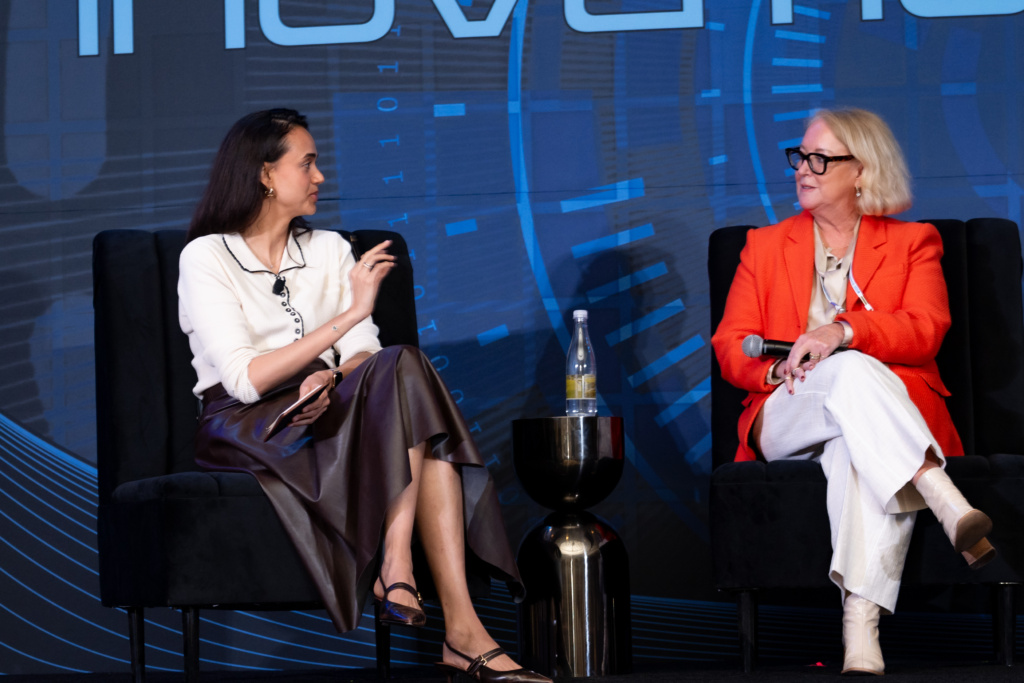
Three things I’ll take with me
- Get the opening right, and the rest follows:
I spent a disproportionate amount of my prep time on the first sixty seconds. My logic was simple: nail the opening, get to the first question, and momentum would do the rest. It did. We laughed within the first couple of minutes, the panel felt like a real conversation from the start, and anyone who has sat through a stilted, over-rehearsed panel knows exactly what the alternative feels like.
- Prep is essential. Sticking to the script is not:
I had mapped out around fifteen minutes of core questions. My panellists answered all of them in five. Watching the clock tick with most of my planned material already used was, briefly, alarming. But there is always more road to explore: following a thread someone opened, playing back what a panellist said and lobbing it to someone else on stage, asking the same question from a slightly different angle. My cheat sheet was my safety net, not a script, just something to glance at when I needed to feel grounded. It helped more than I expected.
- Sometimes you have to set up three stools in your hotel room:
The night before, I pulled three stools together and sat at the end one, looking across at the other two, trying to feel what it would actually be like to be up there. It sounds a bit eccentric, I’ll admit. But by the time I walked onto the stage the next day, I had already, in some small, slightly ridiculous way, been there. The newness had worn off just enough. I’d genuinely recommend it to anyone.
On the other side of it
I didn’t forget any of my questions. I had a genuinely interesting conversation with people who shared candid, thoughtful views on non-traditional revenue models and I enjoyed it. Which, honestly, I hadn’t been certain I would.
What I hadn’t anticipated was what came after: people stopping to say the panel had landed well, conversations opening up that I couldn’t have engineered any other way. A stage, it turns out, gives you a platform in more ways than one.
And somewhere in all of that, I came to realise that the nerves don’t disappear. They’re just a lot easier to sit with when you’ve rehearsed on three hotel room stools.


